


Home »
inesrome466

@inesrome466
Profile
Registered: 5 months ago
Murder Drones Characters Meet the Cast of the Dark Animated Series and Their Roles
(image: https://static1.colliderimages.com/wordpress/wp-content/uploads/2022/03/The-Best-Indie-Movies-on-Netflix-Right-Now.jpg)

Viewing tip: Watch episodes one through three in order, halting after major story beats.
Record Uzi's screen duration, conversational highlights, and persistent symbols like eye themes and deteriorated tools.
Capture timecodes for turning points involving loyalty changes or backstory disclosures.
Examine assassin unit N and supporting bots:
record spoken lines per segment, observe clothing color choices, diagram connections throughout early segments.
Capture three concise descriptors per key figure and add voice actor credit when available.
Use still-frame captures to illustrate design evolution.
When compiling a reference document, provide specific measurements:
installment presence per individual, screen time portion shown as percentage, significant spoken passages with timecodes, and sourcing from showrunner notes or visual guides.
Propose a watching order for new audiences:
access now, check here, open site, the post, recommended link premiere, episode two, episode three, then a targeted second viewing focusing on interactions between characters.
Visual reference guide: primary accent hues, silhouette shifts, signature damage patterns.
Emotional checklist: sources of disagreement, trust-building instances, escalation markers; correlate findings with voice acting and movement tempo per installment.
Central Cast
Highlight each central figure's storyline progression, core incentives, and fighting technique when constructing review, costume work, or performance.
For a protagonist with rebellious tendencies:
emulate combative body language, fast staccato vocal delivery, and regular sardonic smiles;
clothing decisions should emphasize damaged workwear, exposed electrical components, and lopsided add-ons;
accessories to bear: damaged wrench, miniature illuminated torso piece;
hair approach: untidy cropped cut with individual colored lock;
physical direction: grounded positioning with unexpected velocity surges;
voice performance: sharp and swift, interspersed with fleeting fragility in close encounters.
For a precise, responsibility-bound protagonist who progressively opens up:
adopt precise, economical movement and minimal idle motion;
vocal guidance: monotone pitch with shortened consonants that soften during moments of compassion;
clothing: streamlined dull surfaces, apparent articulation cylinders, understated shades;
appearance/styling: minimal weathering at pivot locations;
fight choreography: controlled strikes, environmental use for tactical advantage.
For writers and adapter teams:
differentiate internal drives clearly — one character propelled by self-preservation and suspicion, another by installed obligation and developing interest;
develop sequences where speech moves from biting humor to gentle revelation through a handful of short segments;
evade drawn-out narrative lectures;
exhibit importance using succinct behaviors and quiet moments.
Technical guidance for design departments and costume enthusiasts:
preserve profile distinctness during rapid action by accentuating cranium, shoulder, and trunk forms;
utilize soft glow illumination with pulse arrangements linked to feeling shifts;
support articulation areas with discreet protection for movement safety while retaining motion range;
record voice sessions with multiple micro-variations in pitch and breath to capture subtle shifts.
Relationship mapping:
evaluate reliability developments using a five-tier measurement (zero suspicion to five familiarity) and align key shifts with installment signposts;
sustain disagreements interpersonal by attaching emotional developments to small actions including shared item, mended component, or protected comrade rather than verbose speeches;
employ tangible objects to denote advancement between sequences.
Screenplay approach:
launch essential moments with sensory particulars including steel flavor, machinery sound, far siren — then show motivation through activity;
" (video: //www.youtube.com/embed/https://www.youtube.com/watch?v=AfGvYLf99fg)
enable visual sequences and concise back-and-forth to present details while keeping flow and stress.
The Character N
View N as a character with both heroic and villainous traits:
unrelenting capability coupled with sudden openness.
Position: ambiguous agent with transforming obligations; initiates primary clashes.
Design: streamlined mechanical form, charred armor, single lit optical enhancement, compact structure constructed for speedy physical engagement.
Powers: heightened situational assessment, concealed movement, fast restoration employing miniature systems; performs best in short-range fighting and penetration operations.
Nature: terse, analytical, sardonic when provoked; occasional flashes of empathy reveal buried trauma.
Character arc: begins as isolated agent, gradually accepts partnerships and selfless decisions; ethical complexity fuels individual evolution.
Pivotal instances: initial junkyard encounter, central flight sequence, closing precipice confrontation; observe quiet moments and subtle facial changes for underlying meaning.
Watching advice: halt during wordless interactions to examine stance and illumination signals; follow outfit deterioration as representation for inner evolution.
Dressing guidance: stacked protective torso covering, golden light-emitting eye piece, patterned hand coverings with visible cables, aged coloration for realistic appearance.
Audience challenges: write short vignettes placing N in low-stakes domestic scenes to probe softer side; create artwork centered on reflective poses rather than action.
The Role of V in the Series
Treat V as narrative catalyst:
analyze actions for patterns of self-preservation versus ideological commitment and map tactical shifts across episodes to reveal arc inflection points.
Concrete checklist for deep reading:
one, document sequence of appearances and total screen duration;
2) inventory combat gear, equipment, and chosen methods;
3) note repeated verbal hooks and micro-expressions during key confrontations;
fourth, note coalitions established or ended and background for each shift.
Conduct analysis:
high situational intelligence, preference for ambushes and psychological pressure, consistent use of improvisation under resource constraints, vulnerability when confronted with reminders of past attachments.
Apply these characteristics to anticipate probable decisions in unshown sequences.
Visual and audio cues to monitor closely:
outfit degradation arrangements that reveal current conflicts;
consistent scenery elements that operate as history references;
delicate vocal tone changes that signal inner transformation;
shot composition that separates V during ethical turning points.
Analytical viewpoints worthwhile to investigate:
treat V as foil for questions about autonomy and hierarchy rather than as pure villain;
consider readings where apparent cruelty masks protective motives;
judge dependability of any separate disclosure by checking against prior conduct.
Operational guidance for enthusiast writers and reviewers:
keep moral uncertainty when producing new pieces;
present origin information via objects or brief memory segments rather than lengthy speeches;
space discoveries so each additional piece reinterprets earlier sections without conflicting with confirmed events.
Frequently Asked Questions:
What are the main characters in Murder Drones and what distinguishes them?
The cast divides roughly into a few distinct types:
the clever survivors who reject current conditions;
the conscious labor machines with diverse characteristics;
the dangerous executioner-category robots that uphold business authority;
and creator-built individuals who stand for vanished or damaged power.
Survivors tend to be scrappy, witty, and morally flexible;
service robots run the gamut from tense and funny to bravely subtle;
killer machines are systematic, merciless, and sometimes torn;
authority figures are cold, calculating, and driven by self-preservation.
These divergences produce conflict and unforeseen coalitions through the installments.
How does the interaction between the protagonist and the hunter robots change over time?
Early on their encounters focus on endurance and common peril:
one side wants to live, the other is programmed to exterminate.
Progressively, minor actions like shifting allegiances, common sorrows, and instances of compassion soften rigid hunter/prey positions.
Various robots start doubting their assignments, and the protagonist learns to capitalize on personal uncertainties rather than just fighting.
Emotional sequences, personal discussions, and moral struggles move multiple individuals toward working together, while others reinforce their starting goals, causing stressful clashes and changing connections.
Do the characters contain concealed visual elements or references that devoted watchers might overlook?
Indeed.
Creators and artists utilize consistent visual indicators:
color schemes alluding to alliance or earlier pain, recurring emblems hidden in settings, and delicate clothing wear pointing to a character's past.
Minor environment objects or street art occasionally point to earlier segments or the studio's other productions.
Speech performance options like a skipped syllable or a dialect shift can also disclose emotional struggle or an origin detail before it is presented visually.
Whose backstory is the most unexpected, and what makes it so?
The most surprising background belongs to a figure presented as an adversary who gradually discloses a relatable history.
Initial portrayal emphasizes danger and effectiveness, but subsequent recollections and casual remarks reveal remorse, desertion, or control by more significant forces.
This difference between duty and memory reshapes how their activities are viewed and pushes other characters to re-evaluate whether vengeance or sympathy is the correct response.
How do vocal performance and visual motion combine to make the characters seem genuine?
Vocal performance and artistic design are intimately related:
vocal performers establish emotional quality through pacing, tone variations, and subtle hesitations, while visual artists coordinate facial gestures, eye positioning, and body stance with those selections.
A sarcastic line becomes sharper with a raised eyebrow and a quick head turn;
a scene of openness is strengthened by reduced motion speed, gentler illumination, and subdued vocal presentation.
Noise composition and music elements ease shifts between hostility and comedy, enabling audiences to interpret slight variations in drive or mood even without direct storytelling.
Who are the central figures in Murder Drones and what shapes their interactions?
The core pair most viewers focus on are Uzi Doorman, a defiant worker drone with a sharp tongue and a hunger for knowledge, and N, a cold, efficient murder drone who is assigned to eliminate worker drones.
Uzi embodies the resourceful, adaptable dimension of the survivors, whereas N starts as a persistent pursuer and subsequently demonstrates indications of personal struggle.
(image: https://tiermaker.com/images/media/tierlists-2024/1105777/animated-webseries---webshows-tier-list-88812-1699726379.png)
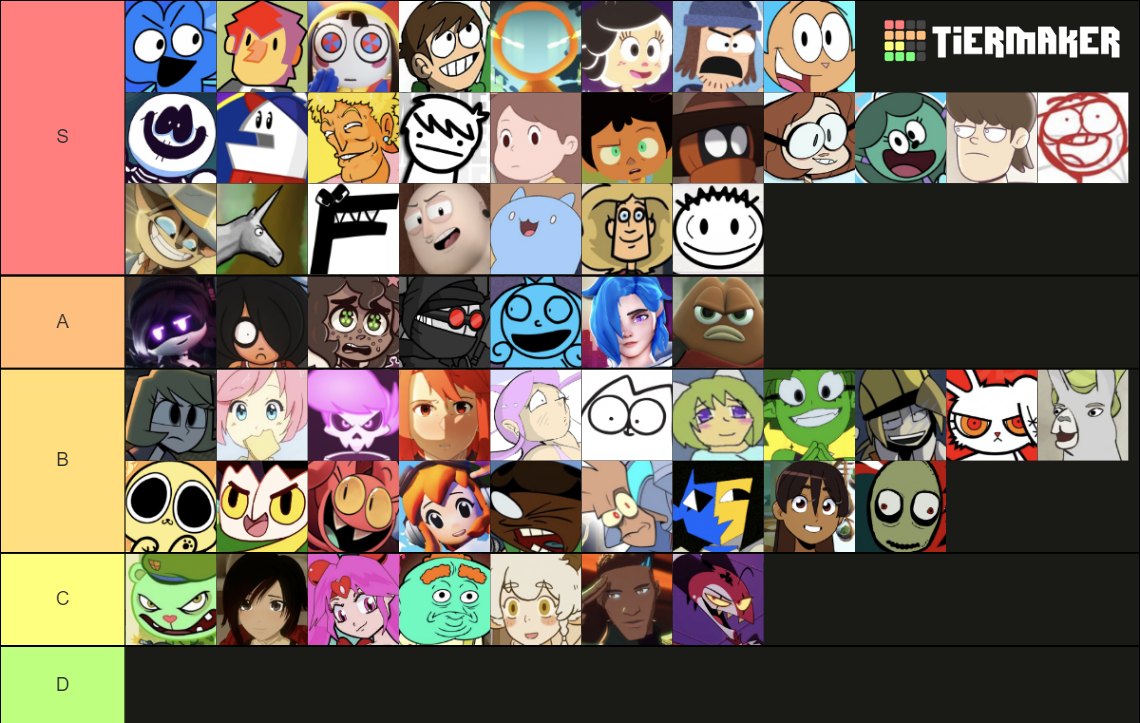
Their communications blend clashing conversation, hesitant teamwork, and moments of surprising understanding, which moves both individuals into fresh decisions and changes how additional machines approach them.
Surrounding them are secondary labor machines who establish a society with unique characteristics, and further hunter droids who function as opponents or competitive groups, generating tension that forms each figure's choices.
Website: https://film.nu/filmer/the-elegant-clockwork-of-the-universe/10236768.film
Forums
Topics Started: 0
Replies Created: 0
Forum Role: Member